Most visitors don’t realize how different Shinjuku feels after dark.
Shinjuku is often described as the center of Tokyo’s nightlife.
Bright lights, endless restaurants, bars, and entertainment districts make it look exciting and convenient—especially for first-time visitors.
Yet many overseas travelers leave Shinjuku feeling uneasy, overcharged, or simply exhausted.
This isn’t because Shinjuku is dangerous.
It’s because visitors misunderstand how locals actually use the area, especially at night.
This article explains common Shinjuku travel mistakes, why overseas visitors struggle here, and how to avoid unnecessary regret.
Why Shinjuku Confuses First-Time Visitors
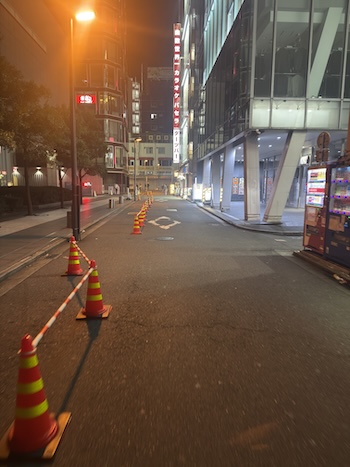
Shinjuku changes dramatically depending on time and location.
- Daytime Shinjuku feels orderly and businesslike
- Nighttime Shinjuku becomes dense, loud, and fragmented
The problem is expectation.
Many visitors assume:
- All restaurants are safe and fairly priced
- Nightlife districts are similar to other major cities
- Friendly street invitations are normal
In reality, Shinjuku is a place where locals already know where they are going.
Visitors wander. That difference matters.
Common Tourist Mistakes
These mistakes happen repeatedly in Shinjuku.
Following street touts
Locals almost never follow them. Visitors often do.
Entering bars without checking prices
Menus are not always visible, and prices can vary widely.
Using taxis late at night unnecessarily
Trains still run frequently until midnight, but many visitors don’t realize this.
Assuming all areas are the same
Shinjuku Station, Kabukicho, and nearby blocks serve very different purposes.
These are not scams in the dramatic sense.
They are situational traps created by unfamiliarity.
What to Enjoy — and What to Avoid
Shinjuku offers a lot when approached correctly.
What works well
- Restaurants with visible menus
- Areas you researched beforehand
- Using trains instead of taxis whenever possible
What often causes regret
- Entering places recommended by strangers
- Deciding plans on the spot late at night
- Staying out without understanding last train times
Shinjuku rewards intention, not improvisation.
How Locals Do It Differently
Locals experience Shinjuku very differently.
They:
- Meet at specific locations
- Go directly to known restaurants or bars
- Avoid street invitations
- Leave before the last train or plan accordingly
For locals, Shinjuku is a destination with rules, not a place to wander freely.
This difference explains most overseas visitors’ discomfort.
How to Avoid Regret as a Visitor
To enjoy Shinjuku safely and comfortably:
- Decide where you’re going before arriving
- Ignore street invitations
- Check menus and prices in advance
- Know the last train time
When visitors approach Shinjuku with structure, the area becomes vibrant instead of overwhelming.
⚠ Common Tourist Traps in Japan’s Most Popular Destinations
Shinjuku is part of a broader pattern seen across Japan.

Japan Travel Mistakes: Why Many Overseas Travelers Regret Visiting Akihabara
Recognizing these patterns helps travelers avoid repeating the same mistakes elsewhere.

Final Thoughts
Overseas travelers rarely regret Tokyo itself.
They regret entering places without understanding local norms.
Shinjuku makes this gap especially visible at night.
Once visitors understand how locals navigate it, Shinjuku becomes exciting rather than stressful.

All Write: Kumao