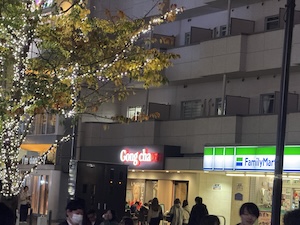
Akihabara and Ikebukuro are both described as Tokyo otaku holy sites, but treating them as interchangeable is the fastest way to waste a day.
These two districts grew from opposite starting points, attracted different kinds of visitors, and built different street logic. Akihabara became a dense, hardware-to-hobby ecosystem that rewards obsession and specialization. Ikebukuro matured into a walkable, facility-connected fandom zone where character goods, collaboration cafés, and stage culture feel naturally integrated.
This is not a popularity contest. It is a guide to choosing the district that matches your intent, your pace, and your fandom style.
Suggested image alt text for your hero image: <strong>Akihabara vs Ikebukuro comparison graphic for Tokyo otaku districts.
- Why this comparison matters right now
- The origin story split that still controls everything
- Access is not just trains, it is how the city lets you move
- The shopping ecosystem is the real identity test
- Events reveal what each district is optimizing for
- Gender and age are not a stereotype here, they are the infrastructure
- The atmosphere difference is practical, not poetic
- Redevelopment and the future: who keeps culture intact better
- So which one should you choose
- A realistic one-day way to do both without burning out
Why this comparison matters right now
In the 2020s, both districts are changing, but the direction of change is different.
Akihabara is balancing tourism pressure, office development, and the commercialization of maid and concept café culture. Ikebukuro is accelerating an experience-first model that fits modern fandom behavior: pop-ups, collaboration cafés, cosplay events, and repeatable circuit-style visits across connected facilities.
Comparing them now is basically comparing two future models of Japanese otaku culture: the dense specialist district versus the engineered walkable fandom city.
The origin story split that still controls everything
Akihabara’s roots reach back to the postwar market era, when the area around the station became known for radio parts and electronics. That identity evolved into a national electric town, then folded naturally into the PC boom and hobby retail. From there, anime, games, figures, doujin, and character goods packed into the same grid, until Akihabara became a global symbol.
Ikebukuro began as a commercial hub shaped by department stores, cinemas, and theater culture. The area already had a strong base of shoppers and a street rhythm that welcomed groups, browsing, and staying longer. From the late 1990s into the 2000s, the rise of animate in Ikebukuro and the concentration of shops serving otome, BL, and character fandom formed what people now call Otome Road.
Same city, different DNA. One grew upward from hardware and hobby specialization. The other grew outward from commercial infrastructure and performance culture.
Access is not just trains, it is how the city lets you move
Both stations are major nodes, but the experience of arrival is different.
Ikebukuro is one of the busiest hubs in Tokyo. Even if you ignore the total multi-operator flow and look only at JR East boarding passengers, Ikebukuro sits near the top of the network, with published figures around the 499,000 range for fiscal 2024.Tokyo Metro also lists Ikebukuro as its busiest station by daily average passengers for 2024. Tokyo Metro
Akihabara is smaller in raw scale, but it is a clean connector: JR lines, Tokyo Metro Hibiya Line, and Tsukuba Express create fast links across the city. Tokyo Metro publishes daily average passenger figures for Akihabara on the Hibiya Line, and JR East publishes Akihabara as a top ten station in its own boarding rankings. Tokyo Metro
The more important part is street structure.
Akihabara disperses you. Exits and corridors feed into different worlds, and the district stretches in a long band with major clusters that do not perfectly overlap. Ikebukuro stacks you. Underground passages, department store connections, and the Sunshine direction create a clearer funnel, especially once you learn the East Exit to Sunshine City flow.
If you are a first-time visitor who wants an easy loop, Ikebukuro tends to feel more intuitive. If you want to wander and discover, Akihabara rewards that style more.
The shopping ecosystem is the real identity test
Akihabara is a specialist maze that still runs on density
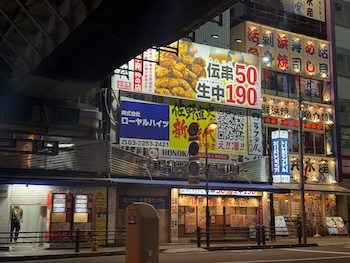
Akihabara’s core strength is that radically different hobby categories coexist within a short walking radius. You can move from mainstream character goods to niche parts shopping to figure floors to resale hunting without changing districts.
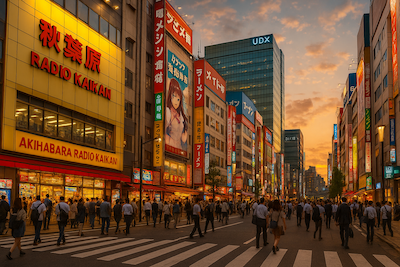
A concrete example is the Radio Kaikan zone, where multiple hobby layers stack vertically. K-BOOKS is famously associated with the Akihabara Radio Kaikan location in many guides, reflecting how Akihabara compresses categories into building floors instead of streets.
For doujin and books, Melonbooks maintains Akihabara stores, and current location listings still show active presence in the area.
For big recognizable anchors, the Akihabara pattern is still familiar: large hobby retail, resale, and multi-floor category stores arranged like a vertical dungeon crawl rather than a clean mall circuit.
One important reality check, though, is that some legacy pillars have shifted or vanished from physical Akihabara. Toranoana, long associated with Akihabara’s doujin retail era, closed its remaining Akihabara store operations in 2022, which is a useful symbol of how the district’s retail mix keeps changing.
Akihabara today is still strong, but it is less about one brand ruling the street and more about the district functioning as an ecosystem of many overlapping micro-destinations.
Akihabara Timeline (1990–2019): How Tokyo Became the World’s Top Otaku City
Ikebukuro is a designed circuit built around character fandom
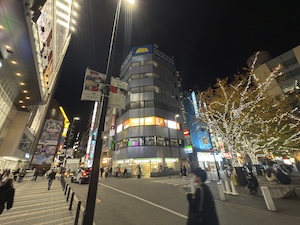
Ikebukuro’s shopping logic is tighter and more intentional. The flagship example is animate Ikebukuro, which positions itself explicitly as the Ikebukuro Flagship Store with strong access messaging and a massive in-building experience.
Around that gravitational center, K-BOOKS operates multiple Ikebukuro-focused specialty shops, reinforcing a category-splitting model that fits character and stage-oriented fandom behavior.
Ikebukuro also supports an experience layer that feels structurally different from Akihabara. Butler cafés are a clean example. Butlers Cafe Swallowtail is a well-known Ikebukuro destination, and its published access and location info reflects how these experiences are anchored into the district rather than scattered as an afterthought.
In short, Akihabara sells you density. Ikebukuro sells you a curated loop.
Events reveal what each district is optimizing for
Akihabara’s event energy often concentrates around displays, limited-time retail, and quick-hit fan actions like purchase bonuses, station-area campaigns, and exhibition-style pop-ups. The experience is frequently about collecting proof and leaving with something physical.
Ikebukuro’s event energy more often pushes toward participation. The clearest example is the cosplay event ecosystem around Sunshine City. acosta! explicitly runs events at Ikebukuro Sunshine City, with published schedules, venues, and check-in points that show how the district supports large-scale fan presence without breaking.
This is a real difference in emotional payoff. Akihabara often satisfies the part of fandom that wants possession and specialization. Ikebukuro often satisfies the part of fandom that wants presence, display, and shared space.
Gender and age are not a stereotype here, they are the infrastructure
People like to reduce this to a simple line: Akihabara is male-coded, Ikebukuro is female-coded. That is not the full story, but the underlying pattern is real enough that it affects the street experience.
Akihabara still carries the visual language of open hobby signaling: bags, shirts, shop floors that assume you already know the category hierarchy, and street energy that feels comfortable for solo visitors who move with purpose.
Ikebukuro more often supports group movement, longer stays, and environments where fandom can be worn softly rather than shouted. The existence and normalization of butler cafés, collaboration dessert spaces, and facility-connected shopping also makes the district feel more approachable for people who want a gentler fandom day.
You can absolutely enjoy either district regardless of gender. The point is that the districts evolved to serve different dominant customer patterns, and you will feel it immediately.
The atmosphere difference is practical, not poetic
Akihabara feels like an exposed circuit board. It is bright, dense, and full of visual noise. You can do a high-intensity loop, buy exactly what you came for, and disappear into a side street that feels like a different subculture two blocks away.
Ikebukuro feels like a layered building-city. You transition from street to department store to underground passage to Sunshine zone without leaving the fandom context. The district is built for repeatable circuits, and it is easier to stack multiple micro-experiences into one day without fatigue.
If Akihabara is a hunt, Ikebukuro is a route.
Redevelopment and the future: who keeps culture intact better
Ikebukuro has leaned into redevelopment that still keeps culture visible. Hareza Ikebukuro, for example, is widely presented as a complex opened in 2020 that ties theaters and cultural programming into the district’s identity, and official tourism messaging frames Ikebukuro as a current entertainment hub.
The West Exit park area also embodies this: the Global Ring Theatre is positioned as an outdoor theater infrastructure, reinforcing Ikebukuro’s performance-oriented city design.
Akihabara’s redevelopment story is more complicated because its identity is historically tied to small-scale density and specialist retail. As rents and building use patterns shift, the district risks losing some of the fragile weirdness that made it iconic. That does not mean Akihabara will die. It means the balance between local hobby district and international tourist symbol will keep being renegotiated.
Tokyo’s Most “Moe” Week: Why Kanda Matsuri + Atre Akihabara Hits Different
So which one should you choose
If you want a day that feels like deep hunting, where you can chase a niche category across multiple floors and emerge with a bag full of physical proof, Akihabara fits.
If you want a day that feels like a designed fandom circuit, where cafés, shops, pop-ups, and events connect naturally and you can stay comfortable while doing multiple stops, Ikebukuro fits.
A useful mental shortcut is this.
A realistic one-day way to do both without burning out
Start the morning in Ikebukuro, when the station is already active but the streets have not hit peak congestion. Do your flagship shopping first, then take a slow collaboration café break, because Ikebukuro supports the calm part of fandom better than Akihabara does.
Move to Akihabara mid-afternoon when you are ready to switch into hunt mode. Akihabara’s density makes it better for targeted shopping once you know what you want. If you try to begin your day there, you risk spending your mental energy just parsing the district.
End your day wherever you want your memory to land. If you want a quiet photo and a clean sense of completion, Ikebukuro often gives that. If you want neon chaos and the feeling that the city is still vibrating when you leave, Akihabara does that effortlessly.
Tokyo’s Otaku Geography|A Ground-Level Guide to Where Japanese Fan Culture Actually Exists
Quotation and reference
I quoted and referred to the information from this article.
We deeply consider and experience Japanese otaku culture!
Akihabara vs Ikebukuro Thorough comparison: recommendation activity / otaku culture / gender ratio / transportation / land price / gourmet etc.|akihabara.site Official
All Write: Kumao