Most visitors don’t realize they’re paying tourist prices.
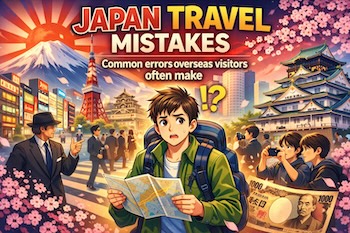
Akihabara is often described as the heart of otaku culture.
Anime, games, figures, retro electronics—everything looks exciting, dense, and uniquely Japanese.
Yet many overseas visitors leave Akihabara with a quiet sense of regret.
Not because the area is bad.
Not because shops are dishonest.
But because Akihabara works very differently from how first-time visitors imagine it does.
This article explains why Akihabara confuses overseas travelers, what mistakes are most common, and how locals experience the area in a completely different way.
Why Akihabara Confuses First-Time Visitors
Akihabara looks like a bargain paradise.
Bright signs advertise USED, SALE, and TAX-FREE.
Shelves are packed with collectibles that feel rare and exclusive.
The confusion starts here.
Many visitors assume:
- Akihabara prices reflect normal Japanese market prices
- Used goods are always cheaper than new ones
- Popular shops automatically mean good value
In reality, Akihabara is a premium display district, not a discount zone.
Shops optimize for visibility, impulse buying, and foreign demand.
Locals know this. Visitors usually do not.
Common Tourist Mistakes
These are the mistakes overseas travelers most often make in Akihabara.
Buying without price comparison
Many items—figures, games, retro consoles—are significantly cheaper outside Akihabara.
Assuming “used” means affordable
Condition-graded collectibles can cost more than brand-new releases elsewhere.
Confusing rarity with value
Some products are rare only in that specific shop, not rare in Japan.
Spending too much time on the main streets
The most expensive stores are usually the easiest to find.
None of these are scams.
They are structural misunderstandings.
What to Buy — and What to Skip
Akihabara is not bad at everything.
It is excellent at specific things.
Worth buying in Akihabara
- Niche otaku merchandise you want to see in person
- Limited collaboration items
- Condition-sensitive collectibles you want to inspect directly
Better skipped or researched elsewhere
- Mass-produced figures
- Standard video games
- Retro hardware without checking average market prices
Akihabara is ideal for discovery, not blind purchasing.
How Locals Do It Differently
Locals approach Akihabara with a different mindset.
They:
- Check prices online first
- Use Akihabara to inspect items, not decide prices
- Buy everyday otaku goods outside the district
For many Japanese fans, Akihabara is a showroom, not a shopping base.
This gap in expectations is where regret is born.
How to Avoid Regret as a Visitor
To enjoy Akihabara without disappointment:
- Treat the area as a cultural experience first
- Compare prices before committing
- Avoid buying immediately after arrival
- Remember that “famous” does not mean “cheap”
When you slow down, Akihabara becomes far more enjoyable—and far less expensive.
⚠ Common Tourist Traps in Japan’s Most Popular Destinations
Akihabara is not unique.
Similar misunderstandings happen across Japan.
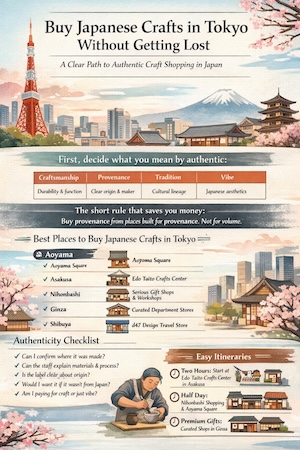
- Tokyo Station
Complex exits, coin lockers, and taxis locals rarely use.

- Shinjuku
Nightlife pricing, touts, and late-night transport habits.


- Ikebukuro
Otome-focused events and seasonal price shifts.

- Mount Fuji
Did you know that Mt. Fuji has a front and a back?

- Osaka
Tourist menus that challenge the “cheap food” reputation.
- Sapporo
The big cities in the north are colder than you think! Take care of your clothes.
- Kyoto
It is a traditional, beautiful and complicated city.Food, history, true feelings, and the front. What do you really feel about the smile that is directed at you?
- Fukuoka
That’s a city with cute Hakata dialect girls.Gourmet, weather, transportation access, the strongest city.
- Kappabashi
Does that souvenir meet your intention?
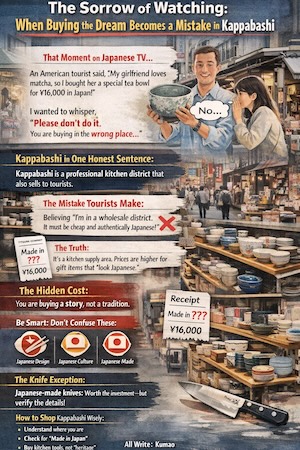
Learning from Akihabara helps visitors recognize these patterns before they repeat them elsewhere.

Final Thoughts
Overseas travelers rarely regret Japan itself.
They regret not understanding how locals think.
Akihabara is simply the clearest example of this gap.
Once you recognize the structure behind the prices, the area transforms—from a place of regret into a place of insight.

All Write: Kumao
References and Related Information

↓Please dig deep into Akihabara-related articles!↓
Akihabara: From Radio Parts to Otaku Sanctuary—A Journey Through Japan’s Electric Town
Tokyo’s Most “Moe” Week: Why Kanda Matsuri + Atre Akihabara Hits DifferentAkihabara People Watching: Strange Voices from a Quiet Cafe
Akihabara Travel Story: The Anime Umbrella Theft That Froze the Room
In 2022, when Akihabara was full of vacant tenant → Verify what happened nowAkihabara Travel Story: The Anime Umbrella Theft That Froze the Room
Akiba Maid War Review With No Spoilers|Japanese anime
Akihabara vs Ikebukuro |Two Otaku Capitals, Two Completely Different Rulebooks
Recommended Women’s Complete Guide | Ikebukuro and Akihabara Street Walking Saved Version
Introducing the trends and stores of Akihabara ramen shops.
Akihabara Lucky Bags 2026
Is Akihabara Past Its Prime? Inside the now Shift of Japan’s Otaku Capital
Akiba Shrines: Between Circuits and Silence — The Hidden Spiritual Layer of Tokyo’s Electric Town