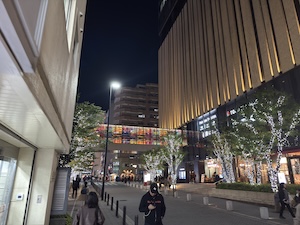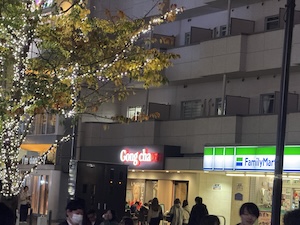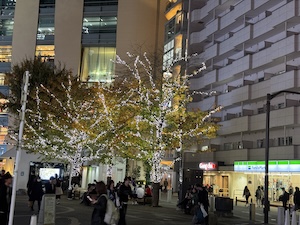
Tokyo’s fan culture is no longer defined by a single street or a single type of otaku.
In 2026, oshi culture led by women has become one of the strongest forces reshaping the city itself.
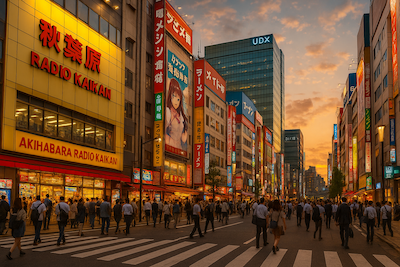
Ikebukuro and Akihabara now function as two complementary hubs. One is built on shared passion, collaboration cafés, and character-driven communities. The other thrives on individuality, gadgets, capsule toys, and experience-based fandom. Together, they form the backbone of modern female otaku life in Tokyo.
This guide documents that reality on the ground—through real places, real routines, and the everyday decisions that define oshi culture today.
- Ikebukuro: A City Designed Around Female Fandom
- Collaboration Cafés as Social Infrastructure
- Beauty as the First Stage of Oshi Culture
- Akihabara: Individuality, Objects, and Personal Routes
- Work, Income, and the Extension of Fandom
- Daily Infrastructure: Toilets, Rest, and Survival
- Philosophy of Spending: What Buying Really Means
- Living Near the Culture
- Two Cities, One Culture
- Why Ikebukuro Is the True Capital of Girls’ Oshi Culture
Ikebukuro: A City Designed Around Female Fandom
Ikebukuro did not become a center for female fandom by accident.
It evolved through decades of urban planning, commercial strategy, and fan-driven pressure.
Standing at the heart of the district is the flagship store of Animate. This building is not simply a shop. It is a multi-floor ecosystem where release days, pop-up exhibitions, and collaboration campaigns directly shape pedestrian flow. Fans gather here not just to buy goods, but to confirm that they are part of something happening now.
Around Otome Road, resale chains such as K-BOOKS and Rashinban operate in a fragmented but highly intentional way. Each location specializes by genre or franchise, allowing visitors to move with purpose rather than wander aimlessly. This structure reflects how female fans plan their visits—efficiently, socially, and with clear goals.
Ikebukuro’s strength lies in density plus safety. Wide sidewalks, clear signage, and a visible female majority create an environment where fans feel comfortable staying for hours. The district rewards repeat visits, not one-time tourism.
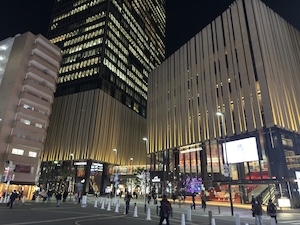
Collaboration Cafés as Social Infrastructure
For oshi culture, cafés are not optional extras.
They are ritual spaces.
Chains like Sweets Paradise have become core pillars of fandom life. What began as a dessert buffet evolved into one of Japan’s most aggressive collaboration platforms, hosting anime, game, idol, and VTuber tie-ins throughout the year. Fans do not simply eat here—they schedule their lives around limited menus, bonus items, and exclusive goods.
Similarly, Princess Cafe functions as a physical extension of fandom itself. With original illustrations, limited merchandise, and carefully themed interiors, each collaboration transforms the café into a temporary shrine. The fact that many items are sold only once, with no reprints, intensifies the emotional stakes.
In Ikebukuro, these cafés are not side attractions.
They are anchors that determine when and why fans come to the city.
Beauty as the First Stage of Oshi Culture
Oshi culture begins long before the event starts.
Hair, nails, and makeup are not vanity here. They are declarations.
Fans prepare themselves to meet their oshi, to appear in photos, and to exist proudly within fandom space.
Ikebukuro is home to salons specializing in character colors, concept nails, and fandom-friendly designs. These are places where staff understand why a specific shade matters or why subtle symbolism can be more powerful than overt decoration.
Akihabara, by contrast, excels in speed and accessibility. Event-day hair styling services near the station allow fans to transform quickly and affordably before live shows or collaborations. Shinjuku is often chosen for high-stakes days when technical reliability matters most, while Shibuya and Harajuku continue to influence trends and visual language.
Beauty is not separate from fandom.
It is the opening act.
Akihabara: Individuality, Objects, and Personal Routes
Akihabara no longer represents a single otaku identity.
It represents choice.
Capsule toy spaces such as Gachapon no Depāto and the long-running Gachapon Kaikan have transformed the district’s atmosphere. Bright interiors, clean layouts, and approachable pricing have made gacha culture accessible to women and couples alike.
Here, fans often build memories together—trading duplicates, creating paired items, or simply laughing over near misses. These objects are small, but the experiences are portable and deeply personal.
Akihabara encourages solo routes. Each fan assembles their own path through shops, arcades, and cafés. Unlike Ikebukuro’s shared rhythm, Akihabara celebrates divergence.
Akihabara Timeline (1990–2019): How Tokyo Became the World’s Top Otaku City
Work, Income, and the Extension of Fandom
For some women, oshi culture does not stop at consumption.
It becomes work.
Akihabara offers unique employment paths where fandom knowledge is an asset rather than a liability. Anime shops, themed cafés, event support companies, and even IT firms connected to otaku industries form a dense employment ecosystem.
Typical hourly wages vary by role, but the deeper value lies elsewhere: early access to information, proximity to culture, and the ability to live inside the world one loves. At the same time, these jobs demand emotional labor, careful social media behavior, and constant awareness of boundaries.
Working within fandom is rewarding—but never simple.
Daily Infrastructure: Toilets, Rest, and Survival
Practical realities shape fandom more than most guides admit.
Akihabara, despite its popularity among women, suffers from a chronic shortage of comfortable female restrooms. Facilities inside stations, shopping complexes, and major buildings often develop long lines during peak hours.
Veteran fans rely on knowledge. Paid facilities like Oasis@akiba, quieter restrooms in office complexes, and upper floors of commercial buildings provide relief for those who know where to go. Information becomes armor, protecting precious event time from unnecessary stress.
Oshi culture rewards preparation—not just passion.
Philosophy of Spending: What Buying Really Means
Buying in oshi culture is never neutral.
Some fans preserve items unopened, freezing a moment in time. Others use their goods daily, integrating oshi presence into routine life. Still others spend intensely on travel and events, burning passion brightly and briefly.
None of these approaches is superior.
What matters is memory.
The true record of love is not the receipt, but the reason behind it. These frozen moments—physical or emotional—often resurface later, offering strength during difficult times. In this way, oshi culture quietly becomes a form of emotional savings.
Living Near the Culture
To live near Akihabara or Ikebukuro is to accept constant temptation.
Rents near Akihabara station remain high, pushing many fans toward surrounding areas such as Suehirocho, Iwamotocho, Asakusabashi, or Ueno. These neighborhoods offer balance—access without total immersion.
Daily life is supported by practical anchors: affordable supermarkets, public baths like Yudonburi Sakae-yu, and delivery lockers that quietly enable modern fandom logistics.
Living here requires rules, restraint, and self-awareness.
It also offers a sense of belonging that is difficult to replicate elsewhere.
Tokyo’s Most “Moe” Week: Why Kanda Matsuri + Atre Akihabara Hits Different
Two Cities, One Culture
Ikebukuro is built on resonance.
Akihabara is built on expression.
Female fans move between these cities, not choosing one over the other, but weaving them together. Their routines, purchases, and paths physically reshape Tokyo’s cultural geography.
Fan behavior changes cities.
Cities, in turn, refine fandom.
That feedback loop is why oshi culture remains one of Tokyo’s most powerful creative forces.
Tokyo’s Otaku Geography|A Ground-Level Guide to Where Japanese Fan Culture Actually Exists
Why Ikebukuro Is the True Capital of Girls’ Oshi Culture
When it comes to fan events, it’s Ikebukuro. Always.
There are more collaborations, pop-ups, and themed cafés happening here than you can realistically keep track of. It’s constant. It’s layered. It never really stops.
You bring your oshinui.
You order the collaboration menu.
You line up the perfect photo shot.
Step onto Sunshine Street and it feels like you’ve crossed into another dimension — one built entirely around fandom.
Can you picture it?
This site will keep tracking those events for you — one by one, as they unfold.
Quotation and reference
I quoted and referred to the information from this article.
We deeply consider and experience Japanese otaku culture!
Complete Guide for Recommended Girls | Thorough explanation of events, beauty, and life in Ikebukuro and Akihabara|akihabara.site Official
All Write: Kumao